How To Convert LinkedIn Engagement Into Sales Leads

Every like, comment, or share on LinkedIn isn't just noise - it's a chance to grow your sales pipeline. Here’s the deal: when someone engages with your content, they’re already interested. The problem? Most people don’t follow up effectively. They post, get engagement, and… nothing. No leads. No sales.
Here’s how to fix that:
- Engagement = Warm Leads: Profile views, comments, and shares are clear signs of interest. Treat them like a virtual handshake.
- Act Quickly: Follow up within 24-48 hours while you're still on their radar.
- Personalize Your Outreach: Reference their specific interaction (e.g., “I saw your comment about X…”).
- Optimize Your Profile: Make sure your LinkedIn profile clearly shows who you help, how you help them, and what they should do next.
- Use Tools to Scale: Combine manual outreach for high-value prospects with automation tools to track and follow up on medium-intent leads.
LinkedIn isn’t just a content platform - it’s a relationship-building machine. If you’re not turning engagement into conversations, you’re leaving money on the table. Let’s dive into the details.
Linkedin Sales Funnels Decoded: Winning Strategies for High Conversion Rates
How LinkedIn Engagement Works for Lead Generation
LinkedIn engagement isn’t just noise - it’s a treasure trove of buyer signals. When someone interacts with your content, they’re waving a flag that says, “I’m interested.” B2B professionals who know how to read these signals can turn them into opportunities.
Here’s a closer look at how different types of LinkedIn engagement reveal where someone might be in their buying journey.
Types of LinkedIn Engagement That Signal Interest
Every interaction on LinkedIn tells a unique story about the person behind it. Let’s break it down:
Profile views are often the first and clearest sign of interest. If someone checks out your profile after seeing your post, they’ve moved from casual scrolling to actively researching. This behavior suggests your content struck a chord, and now they’re curious about you or your company. It’s like a virtual handshake - they’re signaling they want to know more.
Likes from the right people - those whose roles align with your target audience - are more than just casual approval. If a VP of Sales keeps liking posts about sales automation tools, for example, it’s no coincidence. Consistent likes over time show they’re engaged and paying attention to what you’re sharing.
Comments take it up a notch. When someone leaves a comment, they’re not just passively scrolling - they’re actively engaging. A thoughtful comment or a detailed question about your post shows deeper interest. Compare a quick “Great post!” to a comment that dives into specifics or asks about implementation - the latter is a clear sign of intent.
Shares and reposts are like gold stars. When someone shares your content with their network, they’re endorsing your ideas and expertise. This kind of engagement often comes from people who see value in what you’re saying and want to align themselves with your insights.
Connection requests following engagement are a big deal. If someone views your post and then sends a connection request, they’re opening the door for further conversation. These aren’t random adds - they’re warm leads, much more valuable than generic connection requests from strangers.
Direct messages sparked by your content are the jackpot. When someone reaches out privately, they’ve shifted from passive interest to active inquiry. These are the hottest leads, ready for meaningful conversations.
Why You Should Treat Engagement as Sales Opportunities
One of the biggest mistakes in B2B sales is treating LinkedIn as just another broadcasting tool. It’s not. It’s a relationship-building platform, and engagement is your foot in the door.
Traditional cold outreach is struggling. Email open rates are dropping, cold calls are getting screened, and buyers are more skeptical of unsolicited pitches. LinkedIn engagement flips this script. When someone interacts with your content, they’ve already shown interest in your expertise or perspective. Following up on that engagement feels natural, not pushy.
Timing is everything. Responding quickly while someone is still thinking about your content keeps you top-of-mind. Wait too long, and their interest might fade as they move on to other priorities.
Each interaction - whether it’s a like, a comment, or a share - is an opportunity to start a conversation. Instead of generic messages like, “I see you work in healthcare,” reference something specific they engaged with. For example, if they commented on a post about healthcare tech trends, mention their comment directly. This kind of personalization shows you’re paying attention, and it dramatically increases your chances of getting a response.
For founder-led businesses, this approach is especially powerful. When a founder personally responds to comments or reaches out based on engagement, it creates a human connection that larger companies struggle to replicate. This personal touch can be a game-changer in B2B sales, giving you an edge over competitors.
And the benefits don’t stop there. Positive interactions with your content often lead to more engagement down the line. People who’ve had a good experience with you are more likely to interact with future posts, recommend you to colleagues, or bring up your expertise in relevant conversations. This ripple effect can generate referrals and opportunities that traditional lead generation simply can’t match.
The key is to act fast and keep it real. Quick, tailored responses - based on what someone liked, commented on, or shared - help you maintain momentum and build trust. Don’t overthink it; being genuine and timely beats waiting for the perfect message every time.
Set Up Your LinkedIn Profile to Convert Engagement into Leads
Think of your LinkedIn profile as your digital storefront. When someone clicks on your profile after engaging with your content, those few seconds are make-or-break. Will they see enough value to take the next step, or will they move on? Most profiles fail because they don’t guide visitors toward action.
The difference between a profile that converts and one that doesn’t lies in purpose and clarity. Every part of your profile - your headline, summary, visuals, and contact details - should work together to lead visitors toward the next step in your sales process. Here’s how to make that happen.
Write a Clear Profile Headline and Summary
Your headline is prime real estate. With 220 characters, you have just enough space to communicate what makes you stand out. Skip the generic job titles and focus on what you offer. A value-driven headline works best, like: "Helping SaaS startups improve customer retention through data-driven strategies."
A simple formula can help: Who you help + the problem you solve + the outcome you deliver. For instance, a marketing consultant might write: "Helping B2B founders build a strong sales pipeline with LinkedIn content that converts." It’s specific, outcome-oriented, and speaks directly to the audience.
Your summary is where you expand on this. Speak directly to your audience - ditch the jargon. Start by addressing their biggest challenge, then explain how you solve it. If you have results to share, weave them in naturally, focusing on the benefits rather than overwhelming with numbers. The goal is to show how you can help, not just list your achievements.
Use Visuals and Testimonials to Build Trust
Your profile isn’t just about text. Visual elements can make a big difference in building trust. Start with your profile photo - it should look professional but approachable. Think business casual rather than stiff corporate headshots. A friendly, confident photo can go a long way.
Don’t overlook your banner image. Use it to reinforce your value proposition with a clear message, client logos, or even notable achievements. For example, a sales consultant might use a banner that says: "Helping B2B companies improve close rates." This instantly communicates credibility.
Client testimonials are another powerful trust-builder. Use LinkedIn’s recommendation feature to let clients vouch for you. But don’t settle for generic praise - ask for recommendations that highlight specific results or the unique value you provided. These endorsements carry far more weight than anything you could say about yourself.
Frame your experience section as a series of mini case studies. Instead of listing responsibilities, focus on outcomes. For example: "Increased client retention by 30% through an improved onboarding process" or "Generated $500K in new business through strategic partnerships." This approach highlights what you’ve accomplished in a way that resonates with potential leads.
Add Clear Next Steps for Lead Capture
One of the biggest mistakes on LinkedIn profiles is leaving visitors without a clear way to take the next step. If someone finishes reading your profile and doesn’t know what to do next, you’ve lost them. Make it easy for them to act.
Include clear calls-to-action (CTAs) like:
- "Email me at [email] for a quick conversation."
- "Book a 15-minute strategy call here: [calendar link]."
- "Download my free guide at [website link]."
These options cater to different preferences, ensuring there’s a low-friction way for prospects to engage.
Leverage LinkedIn’s featured section to highlight lead magnets, like case studies, whitepapers, or tools visitors can access instantly. These resources provide value upfront and create an opportunity for follow-up.
For a personal touch, replace the generic "feel free to connect" with something specific, like: "If you’re struggling with [specific problem], send me a message - I’d love to share quick tips that have worked for similar companies." This feels more genuine and supportive, not overly salesy.
Finally, reinforce your credibility with social proof. Mention big-name clients (with their permission), share industry awards, highlight speaking engagements, or include media features. These details show you’re trusted and respected in your field.
Every part of your profile should work together to build trust, communicate your value, and guide visitors toward action. When someone visits your profile after engaging with your content, they should immediately understand who you are, how you can help, and what step to take next.
Use Content and Engagement to Qualify and Nurture Leads
LinkedIn content can draw in quality leads, but not all engagement is created equal. A simple like doesn’t carry the same weight as a thoughtful comment or a content share. The trick lies in crafting content that resonates with your target audience and then deciphering the signals their interactions provide.
Different engagement actions reveal varying levels of interest. For example, someone saving your post is showing more intent than someone who just clicks the like button. By keeping an eye on these behaviors, you can zero in on the prospects most likely to convert. Let’s dive into how you can fine-tune your content and follow-up strategy to nurture those leads effectively.
Create Content That Speaks to Decision-Makers
Decision-makers aren’t looking for generic tips or surface-level advice. They want insights that address their strategic goals, industry challenges, and bottom-line results. Your content should focus on delivering actionable value that aligns with their priorities.
- Highlight outcomes, not features. Instead of listing product updates, share real-world examples of how your solution has driven measurable results for other businesses.
- Share compelling case studies. Walk readers through a full journey - what problem a company faced, how your solution helped, and what results were achieved. This narrative approach resonates with decision-makers.
- Address industry-specific challenges. Tailor your messaging to reflect the unique issues faced by certain sectors or company sizes. Speaking directly to their pain points increases the likelihood of engagement.
By focusing on challenges and results, your content will naturally draw in the right audience. Once you’ve captured their attention, it’s time to evaluate their engagement to guide your next steps.
Sort Engagement by Levels of Intent
Not all engagement is created equal. Breaking it down into levels of intent can help you prioritize your follow-up efforts.
- High-intent engagement includes detailed comments, shares, or direct messages. These actions indicate a genuine interest and should be addressed promptly.
- Medium-intent engagement involves actions like saving posts. When someone saves your content, it’s a strong sign they find it valuable - there’s a good chance your next post will land on their radar.
- Lower-intent engagement consists of likes, reactions, or passive consumption. While these actions show your content resonated, they don’t necessarily signal they’re ready for a direct sales conversation.
Track patterns over time. If someone consistently engages with your posts, even at a lower level, it could signal growing interest. Remember, clicks, shares, comments, and follows carry more weight than vanity metrics like views or impressions.
Tailor Follow-Up to Engagement Type
Your follow-up strategy should match the intent level shown by your prospects. LinkedIn engagement is a goldmine for turning interactions into qualified leads - if you approach it thoughtfully.
- For high-intent engagement, respond quickly and personally. If someone leaves a detailed comment or asks a question, send them a direct message referencing their input within a few hours.
- For medium-intent engagement, offer additional value before pitching. If someone saves your post, follow up with more resources or insights on the same topic.
- For lower-intent engagement, focus on nurturing. Share more valuable content over time to build trust, rather than jumping straight into a sales pitch.
Segment your outreach. Tailor your messaging based on the prospect’s role and company size. A startup founder and a VP at a large corporation have different challenges, so your approach should reflect that.
Timing matters. Follow up within 24–48 hours for high-intent actions to keep the momentum going. For lower-intent engagement, space out your follow-ups to avoid coming across as pushy.
sbb-itb-9354cf2
Outreach Methods for Converting LinkedIn Engagement into Sales Leads
Turning LinkedIn engagement into meaningful sales conversations requires more than just generic outreach. The key is crafting personalized messages that directly reference your prospect's actions. This approach feels natural, not pushy, and significantly increases the chances of a positive response. By starting with personalization, you lay the groundwork for effective follow-ups and scalable results.
When reaching out, keep the conversation flowing naturally. Whether someone commented on your post or shared it with their network, these interactions provide unique opportunities to start a meaningful dialogue.
Direct Message Templates for Engaged Users
To make your outreach relevant, mention the specific interaction. For instance, if someone comments on your post about sales automation challenges, your follow-up should directly address their comment instead of sending a generic pitch.
For detailed comments, consider this example:
"Hi [Name], I noticed your comment about struggling with lead qualification at [Company Name]. You mentioned spending too much time on unqualified prospects - that’s exactly what we help B2B companies tackle. Would you be open to a quick chat about how we’ve helped similar companies streamline their lead qualification process?"
If someone shares your content, connect their action to potential value:
"Thanks for sharing our post about email deliverability best practices, [Name]. I saw that [Company Name] recently expanded into new markets - are you finding it challenging to maintain a strong sender reputation while scaling outreach? I’d love to share some strategies that have worked for others in similar situations."
Keep your initial messages short - just 2–3 sentences. Acknowledge their engagement, offer a small piece of value, and suggest a next step.
For prospects who saved your posts, you might say:
"Hi [Name], I noticed you saved our post about B2B lead generation metrics. Are you currently evaluating your team’s performance in this area? I have a simple framework that could help identify which metrics drive revenue."
Once you’ve sent your initial message, focus on refining your follow-up strategy to build on these interactions.
Follow-Up Methods for Warm Prospects
Use their previous engagement as a foundation to keep the conversation going. If someone has interacted with multiple pieces of your content over time, referencing this pattern demonstrates you’re paying attention and helps establish a connection.
For prospects who engaged deeply but didn’t reply to your first message, wait 5–7 days before following up. Make sure your second message adds new value instead of repeating your initial outreach.
Here’s an example of a follow-up:
"Hi [Name], I shared some thoughts on lead qualification metrics last week. Since then, I came across a case study about how [Similar Company] improved their qualified lead rate using a simple scoring system. It seemed relevant given your interest in improving sales efficiency. Would you be open to a quick call to discuss further?"
Another great method is using content as a bridge. If you’re about to publish something that aligns with their interests, offer them early access. This positions you as someone who provides value, not just another person trying to sell something.
Pay attention to when prospects are most active on LinkedIn. Some respond better early in the week, while others engage more on Fridays. Adjust your timing based on their activity patterns for better results.
Combine Manual Outreach with AI-Powered Tools
Manual outreach is ideal for high-value prospects who’ve shown strong engagement. These are the people worth extra effort - research their recent posts, company updates, and mutual connections to find conversation starters.
For medium-intent prospects, tools like RevBoss can help. RevBoss tracks engagement and automatically triggers personalized email sequences based on LinkedIn activity. This creates a smooth transition from LinkedIn engagement to your broader sales process.
Even with automation, keep your messages personal. AI tools can handle tracking and triggering sequences, but the best messages still require human insight. Use automation to identify opportunities and manage initial outreach, but step in personally when a prospect shows genuine interest.
Finally, test different approaches. Try manual outreach for one group of engaged prospects and automated sequences for another. Compare response rates, booked meetings, and conversions to find the right balance for your business.
Use LinkedIn Tools and AI for Efficient Lead Generation
Refining your lead generation strategy on LinkedIn becomes much easier when you take advantage of its tools and AI capabilities. With LinkedIn's advertising platform and automation tools, you can streamline how you track engagement and turn those interactions into qualified leads. The key is knowing which tools fit each stage of your funnel and understanding where automation enhances - not replaces - human connection.
LinkedIn Lead Gen Forms and Campaign Manager
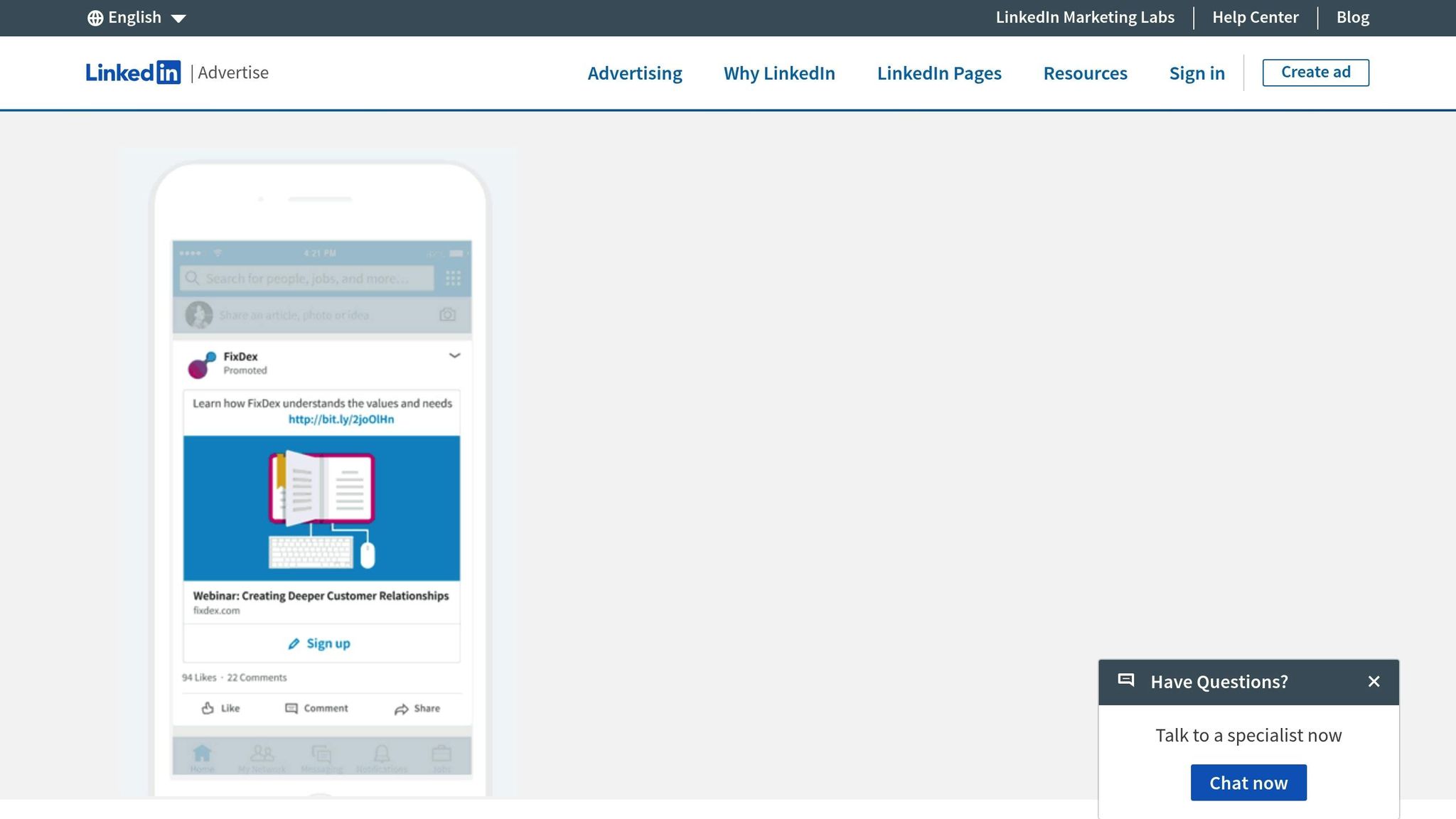
LinkedIn's Lead Gen Forms are a game-changer for capturing prospect information without interrupting their experience. When someone clicks on your sponsored content, their profile data automatically fills the form fields. This reduces friction and typically leads to higher conversion rates compared to sending prospects to an external landing page.
On the other hand, Campaign Manager allows you to target prospects based on their engagement behaviors. For example, you can create Lookalike Audiences from users who’ve interacted with your organic posts and then serve them ads featuring Lead Gen Forms. This is especially effective for reaching decision-makers who have shown interest but haven’t yet taken the next step.
To make the most of Lead Gen Forms, go beyond basic contact details. Include qualifying questions like budget range, project timeline, or specific challenges. For instance, asking, "What’s your biggest obstacle to hitting your sales targets?" helps you identify prospects who are actively considering solutions like yours.
Additionally, the Matched Audiences feature lets you upload email lists to target those contacts with LinkedIn ads. If you’ve been tracking engagement manually, you can use those email addresses to create campaigns aimed at prospects who’ve already shown interest, giving you multiple touchpoints through both organic and paid content.
Automate Engagement Tracking and Follow-Up
While LinkedIn’s native forms simplify capturing leads, automation tools take care of timely follow-ups. Tools like RevBoss can complement your manual efforts, ensuring no engaged prospect slips through the cracks. RevBoss integrates seamlessly with LinkedIn, monitoring when prospects engage with your content and automatically sending personalized emails based on their activity.
The tool assigns engagement scores to actions like comments, shares, and saves, then schedules follow-ups when prospects are most active. This not only saves time but also helps you spot trends, such as prospects who consistently engage with certain topics - often a sign of strong buying intent.
Set up triggers for specific engagement types. For instance, if someone comments on a post about lead qualification challenges, you could send them a case study on improving lead quality. Similarly, if they share content about email deliverability, you might follow up with resources on sender reputation management. These tailored responses keep your outreach relevant and timely.
Manual vs. Automated Outreach: Pros and Cons
The best LinkedIn lead generation strategies often blend manual and automated outreach, using each where it delivers the most value.
| Approach | Best For | Advantages | Disadvantages |
|---|---|---|---|
| Manual Outreach | High-value prospects, enterprise accounts | Personalized research, stronger connections | Time-consuming, limited scalability |
| Automated Outreach | High-volume prospecting, nurturing warm leads | Scalable, consistent follow-ups | Less personal, requires setup |
Manual outreach is ideal for high-value prospects showing strong buying signals - think multiple comments, shares, and frequent profile views over time. These leads often warrant deeper research to craft highly personalized messages that reference their company’s recent developments or specific challenges.
Automation, on the other hand, works well for medium-intent prospects who engage sporadically. These leads benefit from systematic nurturing that keeps your brand on their radar without requiring heavy manual effort. Over time, automation can help you identify when these prospects become more engaged, signaling it’s time for a personalized follow-up.
A hybrid approach often delivers the best results. Start with automated sequences for initial engagement, then switch to manual outreach once a prospect hits specific engagement thresholds or responds to your automated messages. This ensures every lead gets the attention they deserve while making the most of your time and resources.
When deciding between manual and automated outreach, consider the size of your deals. For larger deals, manual outreach for highly engaged prospects can yield better results. For smaller deals, automation offers the efficiency you need to scale. Testing both approaches with similar prospect groups and tracking metrics like response rates, meeting bookings, and closed deals will help you find the right balance for your business.
Turn LinkedIn Engagement into Sales Results
Turning LinkedIn engagement into actual sales is all about consistency and strategic follow-through. The tactics we've discussed lay the groundwork, but your success hinges on seeing every interaction as a potential revenue opportunity. It’s not just about getting likes or comments - it’s about using those touchpoints to build relationships and drive conversions.
Start with your LinkedIn profile. Think of it as your digital storefront. When someone checks you out after engaging with your content, your profile should clearly communicate the value you bring. Instead of just listing your job title, craft a headline that highlights the outcomes you deliver. Your summary? Make it about them - address the pain points your ideal customers face and show how you can help.
Next, let’s talk content. To spark meaningful engagement, share posts that tackle real-world challenges and provide actionable advice. When decision-makers interact with your content, follow up quickly. Reference their specific engagement in your message and offer something useful - a case study, a template, or even an invite to chat about their challenges. The key is to keep the conversation relevant and valuable.
Tracking your efforts is essential. Keep an eye on metrics like how many engagements turn into leads and your response rates. Many businesses find success by pairing organic strategies with LinkedIn’s paid tools to expand their reach. It’s a smart way to amplify your presence while staying targeted.
When it comes to outreach, strike a balance between automation and personal touch. Use automation for initial follow-ups and nurturing sequences, but shift to personalized messages when you spot strong buying signals. This approach helps you scale without losing the human connection that seals the deal.
Remember, LinkedIn success isn’t an overnight thing - it’s about playing the long game. Every interaction should add value, whether it’s today or months down the line. Some prospects might not be ready to buy now, but your consistent engagement ensures you’re top of mind when the time is right - or when they refer someone your way.
At its core, LinkedIn is about relationships, not hard sells. Focus on being genuinely helpful, understanding your audience’s needs, and positioning yourself as a trusted resource. Build trust, share insights, and the sales will follow naturally.
FAQs
How can I personalize my LinkedIn outreach to turn engagement into sales leads?
To make your LinkedIn outreach stand out, start by doing a little homework. Dive into your prospect's profile to learn about their work, interests, and any content they’ve shared. This gives you the insight you need to craft a message that feels personal and relevant.
Kick things off with a warm, engaging opening line. If you have mutual connections or shared interests, mention them - it’s a great way to establish common ground. Focus on how you can offer value, keeping your tone professional but approachable. Skip the hard-sell approach; instead, aim to spark a genuine conversation that could naturally evolve into something bigger.
The secret sauce? Customization. Make sure every message feels tailored to the person you’re reaching out to. A personalized touch not only boosts your chances of a response but also turns LinkedIn interactions into real opportunities for meaningful connections and, ultimately, sales.
How can I optimize my LinkedIn profile to turn engagement into sales leads?
To transform LinkedIn engagement into solid sales leads, start by giving your profile a professional edge. Begin with a clear, high-quality profile photo that represents you well, and pair it with a background image that reflects your brand - this could be your tagline, logo, or even your website link.
Your headline is prime real estate, so make it count. Use relevant keywords to highlight your expertise and the value you bring. Think of it as your elevator pitch - short, sharp, and designed to grab attention.
In the About section, keep things conversational and focus on what makes you stand out. Share your unique value proposition, sprinkle in some relevant keywords, and make it easy for people to see how you can help them. When it comes to the Experience section, don’t just list roles - show results. Use action-driven language and highlight measurable achievements to demonstrate your impact.
Showcase your most relevant skills and encourage others to endorse them. This boosts your credibility and makes your profile more appealing to potential leads. Lastly, clean up your profile URL to make it look professional and easy to share.
These tweaks may seem small, but they can make a big difference in helping you turn profile views and engagement into real, actionable leads.
How can I effectively combine manual and automated LinkedIn outreach to generate leads while keeping it personal?
To generate leads on LinkedIn while keeping things personal, you need to find the sweet spot between manual effort and automation. Sending personalized messages manually helps you connect on a deeper level, leading to stronger relationships and better response rates. Meanwhile, automation is great for saving time by handling repetitive tasks like sending connection requests or follow-up messages to a larger audience.
The best strategy? A mix of both. Use automation to handle the initial outreach and follow-ups, so you can cast a wider net efficiently. Then, when you identify warm leads or high-priority prospects, switch to manual messaging to add that personal touch where it counts. This balanced approach lets you scale your efforts without sacrificing authenticity, making your LinkedIn lead generation both effective and meaningful.