How to Build Personalized Workflows for B2B Leads

Want more qualified leads? Personalization is the key. Generic B2B marketing is out. Today, businesses that tailor their workflows to individual leads see up to 451% more qualified leads. Here's the cheat sheet:
- Segment your leads: Group by industry, company size, or behavior.
- Map buyer personas: Understand decision-makers and their journey.
- Automate triggers: Use actions like email opens or downloads to send relevant content.
- Leverage tools: Choose platforms that track real-time data and integrate with your CRM.
- Test and improve: A/B test emails, refine workflows, and monitor metrics like open rates and conversions.
Personalized workflows don’t just save time - they build trust and drive results. Let’s break it down step by step.
How to build lead nurturing workflows | Master automated lead nurturing with Zoho
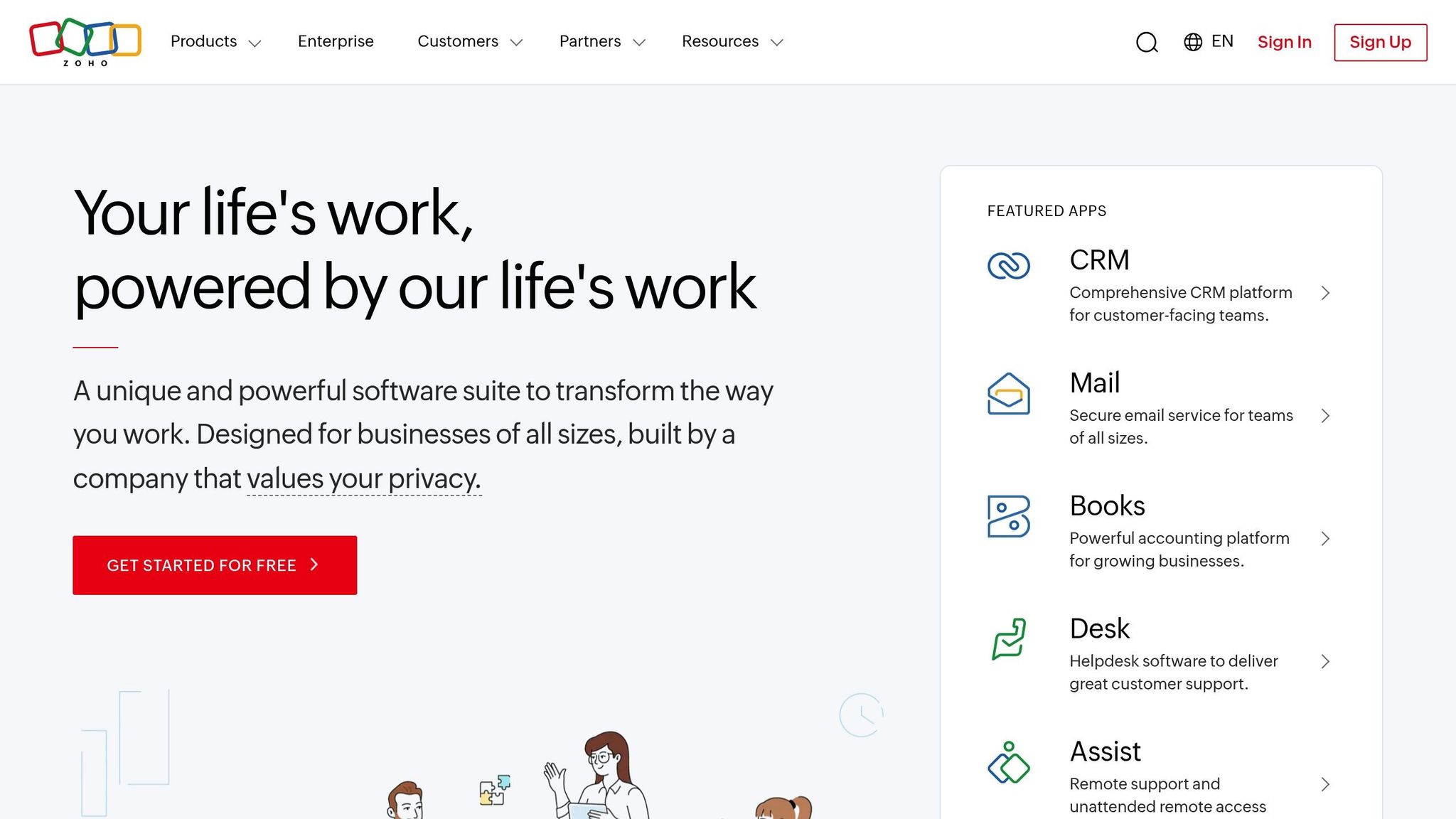
Steps to Build Personalized Workflows
Creating personalized workflows transforms generic lead nurturing into meaningful, targeted interactions. The process starts with understanding your leads and ends with automated systems that adapt dynamically to their behaviors.
Segment Your Leads
Segmentation is the backbone of any successful personalized workflow. Without it, your messaging risks falling flat.
To segment effectively, combine firmographics, behavioral data, and engagement levels. Firmographics cover basics like company size, industry, and location. For example, the messaging for a software startup targeting Fortune 500 companies will differ significantly from one reaching out to local small businesses.
Behavioral data reveals what your leads actually do - like visiting your website, downloading resources, or engaging with emails. For instance, you could create separate workflows for leads who attended a webinar versus those who only downloaded a whitepaper.
Engagement level segmentation, often powered by lead scoring, helps pinpoint where prospects are in their buying journey. Tools like CRMs and marketing automation platforms make it easier for businesses to gather this data. By tracking actions like email opens or resource downloads, you can assign scores that trigger specific workflows automatically.
It’s essential to keep segmentation dynamic. A lead who starts as low-engagement could become highly engaged after attending a webinar or downloading multiple resources. Your system should reflect these changes in real time and adjust workflows accordingly.
Once you’ve segmented your leads, the next step is to understand their decision-making process through buyer personas and customer journey mapping.
Map Buyer Personas and Customer Journeys
After segmentation, dive deeper into understanding your leads by mapping out buyer personas and their customer journeys. This involves identifying the key decision-makers, their roles, challenges, and goals within their organizations.
Who makes the final call? Who influences decisions? What problems are they trying to solve? For example, a CFO evaluating accounting software will focus on cost savings and compliance, while an IT director might prioritize security and integration.
The customer journey typically flows through three stages: awareness, consideration, and decision. In the awareness stage, leads might engage with guides or webinars. During the consideration phase, they compare solutions and attend demos. By the decision stage, they’re discussing pricing and contracts.
Each stage demands a tailored approach. Educational emails work best during the awareness phase, while personalized demos and case studies resonate more in the decision phase. The goal is to deliver the right message to the right person at the right time.
Different personas also move through the funnel at different speeds. For instance, technical evaluators might need in-depth documentation, whereas executives often look for high-level ROI metrics and peer recommendations.
With personas and journeys mapped out, the next step is setting up automated triggers that respond to real-time lead behaviors.
Design Automated and Real-Time Workflow Triggers
The most effective workflows are driven by triggers that respond to specific lead actions in real time. These triggers could include signing up for a newsletter, reaching a lead score threshold, attending an event, or downloading premium content.
Welcome email workflows are a great starting point. When someone joins your email list or creates an account, they should immediately receive a series of emails introducing your brand and setting expectations. For trial users, this series can highlight product features and encourage conversions.
Score-based triggers kick in when a lead reaches a certain engagement level. For example, if a lead downloads a resource and hits a score of 80 out of 100, your system could notify sales and send a personalized demo offer. This ensures hot leads are engaged while their interest is at its peak.
Event-driven workflows are perfect for moments of high engagement. After a webinar, attendees could receive recordings and follow-up actions, while non-attendees might get a recap and alternative ways to engage. These workflows ensure you maximize the impact of your events.
Don’t overlook negative scoring triggers. If a lead unsubscribes or becomes inactive, your system should adjust their workflows to avoid sending irrelevant messages. This helps maintain a positive relationship with your audience.
By combining multiple trigger types, you can guide leads seamlessly through your workflows - from initial content downloads to score-based nurturing and, eventually, sales-ready sequences. The key is to keep transitions smooth and natural.
Real-time adjustments are crucial for staying relevant. If a lead suddenly becomes highly active - visiting multiple pages, downloading several resources, or engaging with sales content - your workflows should adapt immediately. This might mean fast-tracking their sequence or alerting your sales team for immediate follow-up.
Tools and Methods for Real-Time Personalization
Real-time personalization thrives on the combination of automated triggers, segmentation, and the right tools. The key is selecting platforms that can track interactions, process data instantly, and respond with personalized actions - all without manual effort.
Choose the Right Marketing Tools
Marketing automation platforms are the backbone of personalized workflows, but not all tools are created equal. The best ones combine robust data tracking, smooth integration capabilities, and intuitive workflow builders.
For founder-led B2B businesses, RevBoss offers a standout approach by centering its strategy on personality-driven marketing to build trust. Their focus is less on transactional outreach and more on creating authentic connections.
"Most B2B marketing is boring, soulless, and self-centered. We partner with our clients to develop interesting, educating, and entertaining marketing content that serves their audience."
RevBoss integrates this philosophy into workflows that emphasize a personal touch. Instead of relying on generic email sequences, they lean into custom content strategies and audience-centric development, reflecting the unique voice and expertise of the founder.
"Authenticity, trust, and audience are the only durable marketing differentiators in an AI-first market."
When evaluating marketing tools, prioritize platforms with real-time data tracking, customizable workflow triggers, and seamless CRM integration. The tool should support a variety of engagement channels - email, social media, webinars, and direct calls - while ensuring consistent messaging across all touchpoints.
For US-based audiences, it’s important to choose platforms that handle local specifics like date formatting (MM/DD/YYYY), currency display ($USD), and compliance with American privacy laws. These details make all the difference in crafting personalized content that resonates.
Use Data for Dynamic Workflow Adjustments
Dynamic workflows thrive on real-time interaction data. Every action - whether it’s an email open, a link click, or a website visit - provides valuable insights to adjust workflows instantly.
Behavioral tracking is key. For instance, if a lead visits your pricing page multiple times in a week, that’s a strong signal of high purchase intent and could trigger an immediate sales notification. Similarly, downloading multiple case studies might indicate a lead is in the consideration phase, prompting you to send more detailed follow-up content.
Lead scoring systems translate these behaviors into actionable insights. Businesses using marketing automation for lead nurturing report a 451% increase in qualified lead volume. Positive actions, like attending webinars or visiting product pages, can increase a lead’s score, moving them closer to sales engagement. On the flip side, negative behaviors like prolonged inactivity or unsubscribing may lower their score, prompting adjustments in messaging frequency or content type.
Real-time data also ensures a seamless transition from general nurturing to targeted engagement. For example, once a lead reaches a specific score threshold, they can be automatically moved to a high-intent workflow - without delays.
Advanced systems even track engagement trends over time. If a previously active lead becomes disengaged, workflows can adjust by reducing touchpoints or offering different content to reignite interest.
Best Practices for Workflow Automation
Automation works best when it’s smart, adaptable, and continually optimized. Here’s how to make it work:
- If/then logic forms the backbone of effective workflows. For example, if a lead attends a webinar, send a follow-up with the recording and resources. If they miss it, send a recap email with key takeaways and an option to schedule a demo. This approach ensures every lead gets relevant follow-up.
- A/B testing should be baked into your workflow design. Test subject lines, send times, content formats, and calls-to-action. Even minor tweaks can lead to significant gains when scaled across a large audience.
- Set clear enrollment triggers to avoid overwhelming leads or creating gaps. For instance, if someone downloads a resource and schedules a demo, they should skip the standard nurturing sequence and move straight to sales-focused communication.
Welcome email sequences are especially important. These should trigger immediately after sign-up, setting the tone for your relationship and outlining what leads can expect. Regular testing and optimization of these sequences can improve conversion rates significantly.
Timing also matters. For US-based B2B audiences, emails sent Tuesday through Thursday between 10:00 AM and 2:00 PM EST tend to perform well, though it’s worth analyzing your specific audience’s preferences.
Lastly, ensure smooth integration between marketing and sales. Clear criteria should dictate when leads are ready for direct sales attention versus continued nurturing. This prevents hot leads from cooling off while stuck in automated workflows.
Regular performance reviews are essential to identify bottlenecks and fine-tune workflows. Keep an eye on metrics like enrollment rates, completion rates, and conversions. If leads consistently drop off at a certain stage, explore adjustments in content, timing, or calls-to-action.
sbb-itb-9354cf2
Advanced Methods for Personalizing B2B Workflows
Once you've got the basics of workflow automation down, it's time to step up your game. These advanced techniques take your personalization efforts further, building on strategies like real-time triggers and segmentation to create even more tailored engagement.
Multi-Channel Nurturing Methods
The best B2B workflows don’t stick to just one platform - they mix it up. Think email, LinkedIn, direct calls, webinars, and social media. By meeting leads where they’re most comfortable, you boost your chances of meaningful interaction. For instance, you could kick things off with an email offering useful content. If the lead opens it but doesn’t engage further, the next step might be a personalized LinkedIn connection request. And if they start interacting, a follow-up call within 24–48 hours can keep the momentum going.
A great example of this in action comes from Groove in 2022. They combined email with in-app messaging in a multi-step onboarding campaign, turning trial users into paying customers. The result? Better engagement and higher conversion rates.
Timing is key here, especially if you’re targeting U.S.-based leads. Follow-ups should align with typical business hours, and your system should shift focus to the channels where each lead is most active. This multi-channel approach not only keeps your outreach relevant but also feeds behavioral data into your analytics for smarter decision-making.
Use Behavioral Scoring and Predictive Analytics
Behavioral scoring makes it easy to measure lead engagement by assigning points to specific actions. Routine behaviors, like opening an email, might earn a small score, while more meaningful ones - like downloading a whitepaper or attending a webinar - carry more weight. On the flip side, negative behaviors like unsubscribing from emails or prolonged inactivity can lower a lead’s score.
Predictive analytics takes this a step further by using historical data and machine learning to anticipate which leads are most likely to convert. For example, if your data shows that multiple visits to a pricing page often lead to sales, your system can flag those leads and trigger priority workflows, such as a timely sales call or a personalized demo offer.
By combining these tools, you can prioritize leads dynamically. High-scoring leads might receive more direct, sales-focused messaging, while those with lower scores can be nurtured with educational content to build interest gradually. This ensures your resources are focused where they’ll have the most impact.
Event-Driven Workflow Personalization
Events are golden opportunities for personalized follow-ups. Whether it’s a webinar, trade show, product demo, or even a simple content download, event-driven workflows let you capitalize on moments of high engagement. The key is to segment participants right away. For instance, webinar attendees could receive a thank-you email with the recording, key takeaways, and an invitation to a product demo. Meanwhile, non-attendees might get a recap email highlighting what they missed and a nudge to join the next event.
Evernote nailed this strategy by sending welcome emails with download links to new users, helping them grow to over 200 million users.
Trade shows are another great example. Leads who visit your booth can be added to a follow-up sequence that references your conversation, provides any promised materials, and outlines next steps. Timing is crucial - ideally, you’d follow up within 24 hours while the interaction is still fresh.
Real-time triggers make these workflows even sharper. Suppose a lead spends extra time on your pricing page after attending a webinar. That could prompt an immediate sales outreach. For U.S. businesses, it’s also smart to consider regional events and holidays - someone downloading content late Friday afternoon might appreciate a follow-up on Monday morning instead of over the weekend.
Advanced event workflows don’t just track attendance; they measure engagement quality. A lead who actively participates - asking questions during a webinar or downloading additional resources - shows higher intent than someone who just listens passively. Your system can use these signals to adjust follow-up paths, ensuring the most engaged leads get the attention they deserve.
Measure and Optimize Workflow Performance
To get the most out of your workflows, you need to measure their performance and refine them regularly. Without proper tracking, even the most advanced workflows can fall short or waste resources on leads that aren't likely to convert.
Key Metrics for Workflow Success
The backbone of improving workflows lies in tracking the right data. Metrics like open rates and click-through rates (CTR) give you a quick read on whether your messages are connecting with your audience. For B2B workflows, open rates typically range between 15% and 25%, while CTRs often hover between 2% and 5%. These numbers go hand-in-hand with deeper insights, such as how well your workflows are driving conversions.
Other important metrics include lead conversion rates and changes in lead scoring, which reveal how effectively your workflows move prospects through the funnel. Pay attention to conversion velocity - the speed at which leads progress through your funnel. Personalized workflows tend to move leads faster compared to generic, one-size-fits-all approaches.
For businesses where personal connections play a big role in sales, like founder-led companies, sales cycle length is another critical metric. A shorter sales cycle often means your workflows are hitting the mark, delivering content that directly addresses pain points and aligns with where leads are in their buying journey.
Don’t forget to measure cost per qualified lead and sales-accepted lead (SAL) rates. These numbers tell you how your personalization efforts are impacting your budget. Automated workflows, for example, can cut costs by 30% to 50% while improving lead quality through consistent nurturing. Tracking these metrics helps you fine-tune your workflows for better results.
Monitor and Refine Workflows
Once you know what to measure, the real work begins: monitoring and tweaking your workflows. Real-time dashboards are a must-have for keeping tabs on performance. Set up dashboards that break down key metrics by buyer persona and workflow type. This detailed view can help you spot trends, like which segments respond better to emails sent at specific times.
Create feedback loops by reviewing data weekly. If engagement starts to drop - for example, if a welcome sequence has a strong open rate but a weak click-through rate - it’s time to revisit your content or calls-to-action. Your sales team can also provide valuable insights. They’re on the front lines and can tell you if leads are well-prepped or if your messaging needs adjustments.
Use your dashboards to identify underperforming workflows or segments, then test new strategies with small groups before rolling out changes across the board. This approach ensures you’re making data-driven decisions without disrupting your entire system.
Compare Workflow Optimization Methods
Beyond metrics, the way you optimize workflows can make a big difference. Choosing between manual and automated methods - or a mix of both - depends on your business size, resources, and goals for personalization.
| Aspect | Manual Workflows | Automated Workflows | Key Benefit |
|---|---|---|---|
| Scalability | Limited by team capacity | Handles large volumes simultaneously | Efficiently manages more leads |
| Personalization | Highly tailored to individuals | Dynamic, data-driven customization | Real-time responses |
| Consistency | Depends on team execution | Uniform messaging and timing | Reduces human error |
| Speed | Slower due to manual processes | Instant triggers based on lead actions | Quick responses to high-interest leads |
| Cost Efficiency | High ongoing labor costs | Higher setup cost, lower maintenance | Cuts cost per qualified lead by 30–50% |
| Quality Control | Detailed manual review | Systematic A/B testing and adjustments | Optimizes based on data |
A blended approach often works best. Automation is great for nurturing sequences and behavioral triggers, while manual efforts shine for high-value prospects or complex deals. For instance, an automated system can flag a lead who frequently visits your pricing page, prompting your sales team to follow up with a personalized message.
Event follow-up workflows are a perfect example of this hybrid strategy. Automated emails can quickly thank webinar attendees, share recordings, and offer additional resources, while your sales team can personally reach out to participants who asked specific questions or showed high engagement. This combo ensures you capitalize on post-event interest without missing any promising leads.
Finally, track lead-to-customer conversion rates for both manual and automated approaches. Many businesses find that automation works best for early-stage nurturing, while manual touchpoints become essential as leads get closer to making a purchase. This balance helps you allocate resources where they’ll deliver the biggest impact.
Conclusion and Key Takeaways
This guide has explored how personalized, data-driven workflows can elevate lead nurturing efforts in B2B marketing. Companies leveraging marketing automation have reported a 451% increase in qualified lead volume, a clear indication of how this approach can drive growth and boost revenue.
Building Effective Workflows: A Quick Recap
Creating successful workflows starts with clear audience segmentation. By grouping leads based on demographics, behaviors, and their stage in the buyer's journey, you can deliver tailored content - like educational resources for early-stage prospects or product demos for those ready to make a decision. Automated triggers enable timely follow-ups, such as sending a relevant case study after someone downloads a whitepaper.
The key is to balance automation with human connection. Automation can handle early-stage interactions, but as leads progress toward making a purchase, personal outreach becomes crucial. This combination ensures workflows remain efficient while fostering genuine engagement.
The Role of RevBoss in Driving Results
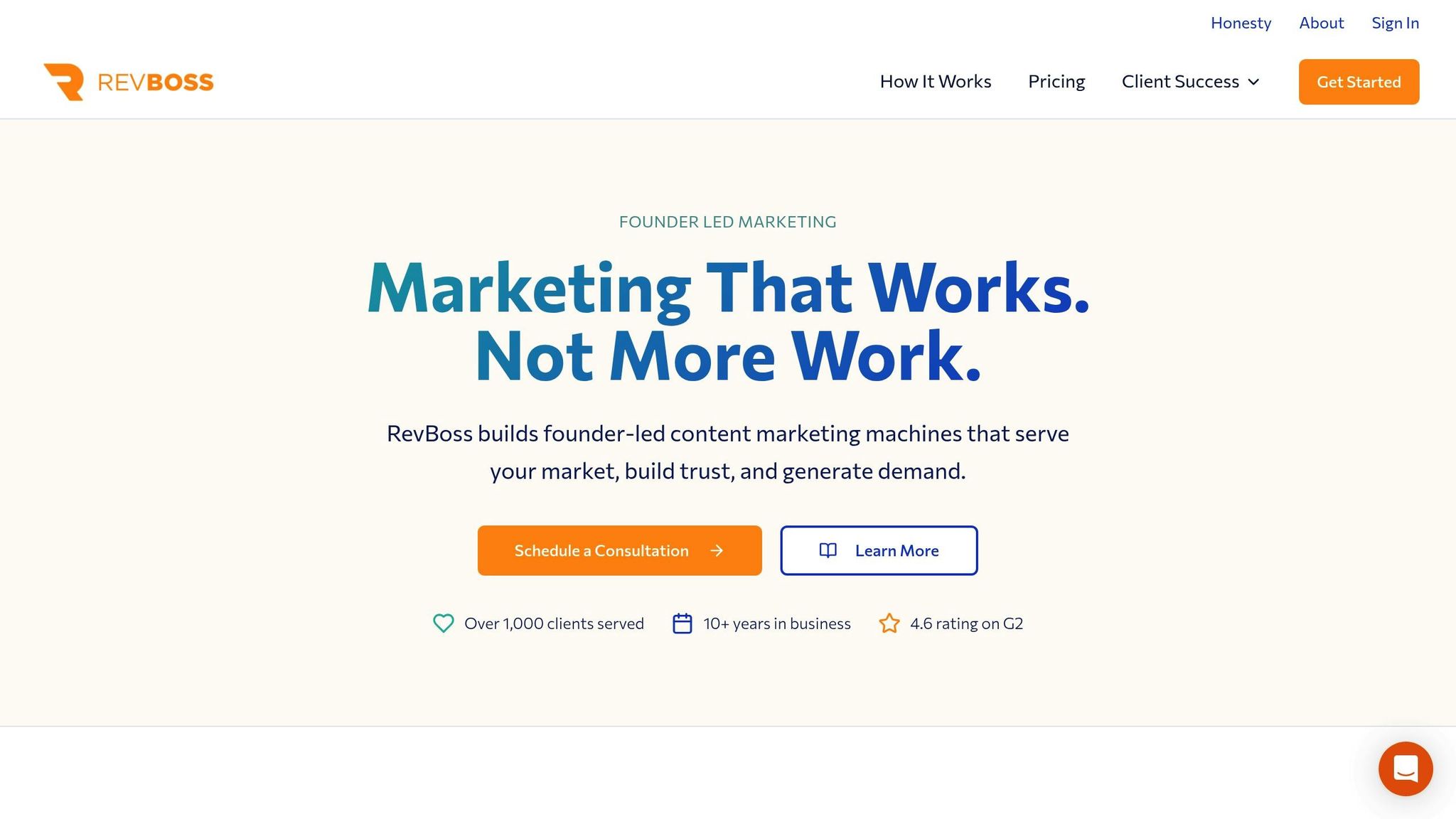
As B2B buyers increasingly value authenticity, founder-led marketing has become a game-changer. RevBoss excels in creating "founder-led content marketing machines that serve your market, build trust, and generate demand". Their approach prioritizes meaningful, trust-based interactions over generic messaging, proving that authenticity and audience focus are essential in today’s AI-driven marketing landscape.
RevBoss demonstrates how personalized workflows thrive across multiple channels, integrating LinkedIn content, email campaigns, and activation strategies. By applying these principles, you can take your marketing efforts from planning to impactful execution.
Why Personalization Matters in B2B Marketing
The shift to personalized workflows mirrors the evolving expectations of B2B buyers. Generic outreach no longer cuts it - prospects now demand timely, relevant communication that speaks directly to their challenges.
Start small. Focus on one audience segment and build a simple nurturing sequence. Test it out, measure the results, and refine your approach before scaling to more complex, multi-channel workflows. It's worth noting that 74% of consumers say welcome emails influence their purchase decisions, underscoring the importance of those initial touchpoints.
To keep your workflows effective, monitor their performance regularly and make adjustments as needed. Evaluate your current lead nurturing process to identify where personalization can make the most impact. By blending smart automation with genuine human insight, you'll create workflows that not only engage prospects but also turn them into loyal customers.
The potential for growth through personalized, founder-led marketing is immense. Businesses that embrace this approach - combining data-driven strategies with authentic engagement - are well-positioned to lead the way in B2B marketing. Now is the time to act.
FAQs
What’s the best way to segment B2B leads for creating successful personalized workflows?
To make the most of your B2B lead segmentation, begin by organizing leads into groups with shared traits - think industry, company size, job title, or where they are in the buying journey. This way, you can tailor your workflows to address their specific needs and challenges.
Leverage tools like CRM systems or marketing automation software to dig into lead behavior. Pay attention to actions like website visits, content downloads, or how they interact with your emails. These details can help you fine-tune your segments and tweak workflows on the fly for improved outcomes. By focusing on segmentation, you ensure your messaging hits the mark and fosters stronger, more meaningful connections with your leads.
How can I use real-time data in my marketing automation to improve B2B lead nurturing?
Integrating real-time data into your marketing automation platform can take your B2B lead nurturing to the next level by enabling more timely and personalized interactions. Start by linking your platform to key data sources like your CRM, website analytics, or social media tools. This ensures you’re always working with the most current information.
With this data in hand, you can set up automated actions that respond to a lead’s behavior. For instance, if someone downloads a whitepaper, you can immediately send them follow-up content tailored to their interests. These small, timely touches can make a big difference in engagement. Don’t forget to regularly review and tweak your workflows to keep them effective and aligned with your goals.
How can I find the right balance between automation and personal interactions in my B2B lead workflows?
Finding the sweet spot between automation and personal interaction in B2B lead workflows takes careful planning. Begin by pinpointing tasks that automation can handle effectively - think follow-up reminders or gathering data - while saving personal outreach for nurturing deeper relationships with high-priority leads.
Automation should support your efforts, not take the place of meaningful engagement. By blending these approaches thoughtfully, you can build workflows that are both efficient and personal, helping you establish trust and lasting connections. Always prioritize authenticity, and make sure every interaction reflects your brand's tone and values.